
 Damage
GladiatorPvE
Frontline bruiser
A melee damage build built around Raging Burst, Overhead Slam and reliable resource recovery. Keep a defensive answer for the hits you cannot avoid.
Gladiator build
Choose an AION 2 build for your class: compare roles, start with four Stigmas, and check skill prerequisites before planning your PvE loadout.
PvE starting points · Regional differences notedSkills, Stigmas and gear. One class at a time.
DamageA melee damage build built around Raging Burst, Overhead Slam and reliable resource recovery. Keep a defensive answer for the hits you cannot avoid.
Gladiator build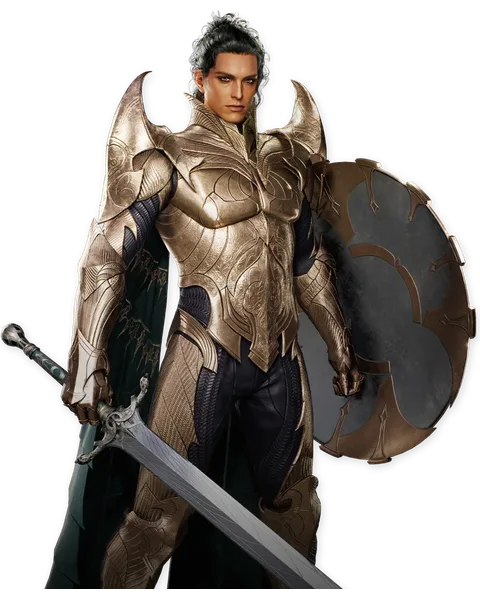 Tank
TankA group tank starting point with Taunt, planned protection and conditional Judgment attacks. Build around your party assignment before adding damage.
Templar build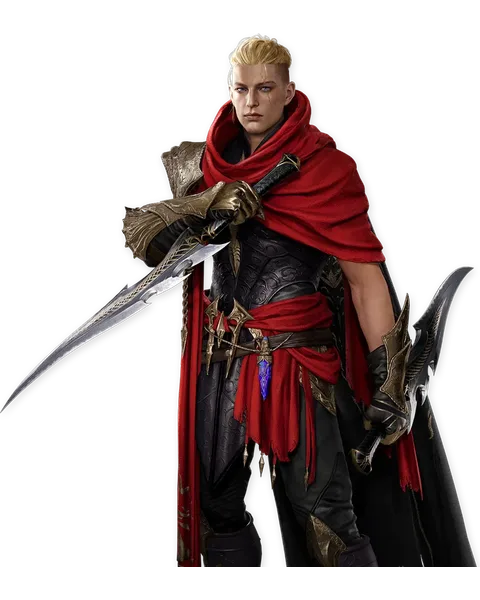 Damage
A positional melee plan that prepares Insignias, aligns burst buffs and spends Heartcore opportunities from a safe rear position.
Assassin build Damage
A ranged physical damage plan that aligns bow buffs, prepares Marking Shot and maintains important attacks without losing safe distance.
Ranger build Damage
A spell-damage plan built around Elemental Enhancement, a prepared explosion and safe Hellfire casts, with a barrier alternative for pressure.
Sorcerer build Damage
A summon-and-debuff plan that prepares spirit support, cycles summons and spends Elemental Fusion during useful boss uptime.
Spiritmaster build Support
A healing-first group plan with an explicit Chanter adjustment. Keep recovery and cleansing manual, then contribute damage when the party is safe.
Cleric build Support
A support-first melee plan that coordinates mantra coverage, aligns party speed with burst and preserves recovery for the next damage event.
Chanter build Damage
A regional reference plan built around Rage generation and Rampage. Check that Brawler is available on your server before planning a character.
Brawler buildTry another class, role or weapon.
Start with a role you enjoy and a loadout your current skills can support. Use this checklist before committing upgrades:
This library covers 8 base-class guides and 1 Brawler regional reference. Each starting loadout lists 4 Stigmas. These are guide counts and starting selections, not a guarantee of class availability on your server.
| Class guide | Role | Range | Starting priority |
|---|---|---|---|
| Gladiator | Damage | Melee | Prepare the Slam window and sustain MP. |
| Templar | Tank | Melee | Agree on tanking and shield assignments. |
| Assassin | Damage | Melee | Prepare Insignias and safe rear access. |
| Ranger | Damage | Ranged | Mark the target and maintain attack distance. |
| Sorcerer | Damage | Ranged | Plan safe casts and MP recovery. |
| Spiritmaster | Damage | Ranged | Position spirits before the fusion window. |
| Cleric | Support | Ranged | Prioritize healing, cleansing and protection coverage. |
| Chanter | Support | Melee | Coordinate mantras, recovery and melee uptime. |
| BrawlerRegional reference | Damage | Melee | Confirm regional access before planning Rage. |
Choose a class around the responsibility you want in a party. Use the comparison above to narrow the choice by role and range, then read the class guide for its main skill interaction and recovery needs. These descriptions help with selection; they do not establish a strongest class.
For solo play, consider recovery, movement and interrupted attacks. In a group, agree on tanking, healing and utility before removing defensive skills. A comfortable questing setup may still need a different answer to a boss mechanic.
Compare class roles and playstylesEach guide presents four starting Stigmas, followed by alternatives with a stated purpose. Begin with that complete set so the main skill interaction remains intact. A defensive replacement, a recovery option and an area-damage skill solve different problems; they are not interchangeable simply because each fits an available slot. Read the reason for a swap before removing the skill it replaces.
On the Gladiator reference page, for example, Raging Burst supports the Overhead Slam window, while Focused Block provides a deliberate defensive answer. Wave Armor and Lifestealing Blade are situational alternatives with different uses. This is an editorial starting set drawn from the linked secondary reference, not a claim that the same choices are optimal for every encounter or regional client.
Read the Gladiator loadout and its referenceA rotation is a priority sequence with prerequisites, not just a list of buttons. Check the total skill level, selected specialty, activation condition and resource cost in your current client. Equipment and progression can change which interactions are available. If a reference sequence assumes a specialty you have not unlocked, keep the simpler resource-stable loop until the required interaction is present.
For the Gladiator example, removing a cooldown does not necessarily remove an activation requirement. If Overhead Slam cannot repeat, check its trigger and the selected specialty as well as whether the supporting Stigma is equipped. During an encounter, move for mechanics and recover resources when needed. A short interruption is preferable to forcing a sequence that cannot function with your current setup.
Understand Stigmas, ranks and specialtiesChoose equipment by its actual contribution to your role and skill setup. Compare useful skill levels, offensive or defensive lines, resource recovery and survivability together. A higher displayed item value is not enough to prove that an upgrade improves your rotation. Likewise, an offensive stat loses practical value if you spend most of the encounter out of resources or unable to stay in range.
Start with an observed problem: frequent misses, an unstable resource loop, insufficient recovery, or a missing skill specialty. Then compare changes that address it. Keep the encounter and party setup consistent when evaluating the result. These guides intentionally avoid a universal accuracy cap, a critical-hit target or a best-in-slot shopping list where the regional mechanics and supporting measurements have not been verified.
Review gear and resource prioritiesA group PvE starting set assumes a particular job and access to party support. Solo play may put more pressure on personal healing, recovery and safe pull sizes. PvP introduces an opponent who can react, interrupt and move away from a prepared burst. Carrying the same offensive sequence into every situation can leave the skill you actually need unavailable.
Use the Solo and PvP notes on each class page to identify adaptation questions. They are not validated competitive presets or measured win-rate claims. Keep the main interaction intact, identify the specific risk, and change a flex choice for that risk. If a change removes protection your party expects, make that tradeoff explicit rather than assuming another player will cover it.
Match a class to your preferred activityCheck the server region, available classes and current skill tooltips before investing in a reference setup. Translated names can differ, and a matching name alone does not prove identical balance or unlock requirements. The guides distinguish cited reference-client mechanics from editorial recommendations. Current regional tooltips and dated official notices should take precedence when they conflict with an older summary.
The Korean Chapter 1 page identifies Brawler, but this site has not verified its Global availability or complete specialties. Its separate label is a scope warning, not a release prediction. The review date records this editorial review; it does not mean every regional patch was tested in game.
Read the source and regional review policyAn AION 2 build combines a class, equipped Stigmas, active skills, selected specialties and equipment for a particular role. A useful starting point explains how those choices work together, which unlocks the rotation assumes, and what to change for survival or resource pressure. Copying only the skill names can miss the conditions that make the setup function.
Choose the responsibility and combat range you enjoy before chasing a tier list. Compare Templar for a tank-focused role, Cleric or Chanter for support, and the damage classes for melee, ranged or spellcasting play. Read the recovery and setup requirements on the class page. This site has not measured a universally best beginner class or current-patch DPS ranking.
A copied rotation can fail because the required specialty, total skill rank, resource supply or activation condition is missing. Verify those prerequisites in your regional client, then use the simpler loop described by the guide while progressing. Boss movement and defensive mechanics also change available uptime. A rotation that works on an uninterrupted target is not a promise for every fight.
No. These are sourced reference-client PvE starting points with editorial adaptation notes. Regional skill names, class availability, unlocks and balance can differ. Brawler is explicitly a regional reference, and its Global availability is unverified here. Check current regional tooltips and official notices before spending resources; use the corrections form if you can provide a dated source that changes a recommendation.
NC's official AION 2 introduction is the primary reference for the game's class presentation. The Korean Chapter 1 announcement supports the Brawler regional note. Check the official update notices for dated changes; these sources do not validate every editorial loadout here.
Named skill interactions also use secondary references, including the AION2 Codex Gladiator PvE guide discussed above. Each class page links its own source. Recommendations are original editorial synthesis, with no claimed first-hand DPS testing, universal stat caps or guaranteed Global compatibility. See the editorial policy or submit a sourced correction.
"Start with Assault Stance, Zikel's Blessing, Raging Burst and Focused Block."